
A framework helps you understand the business. An operating system helps you run it.
The first end-to-end system for turning retention and expansion into a pipeline you can forecast. Not another customer-success playbook. An operating model for everything after the sale.
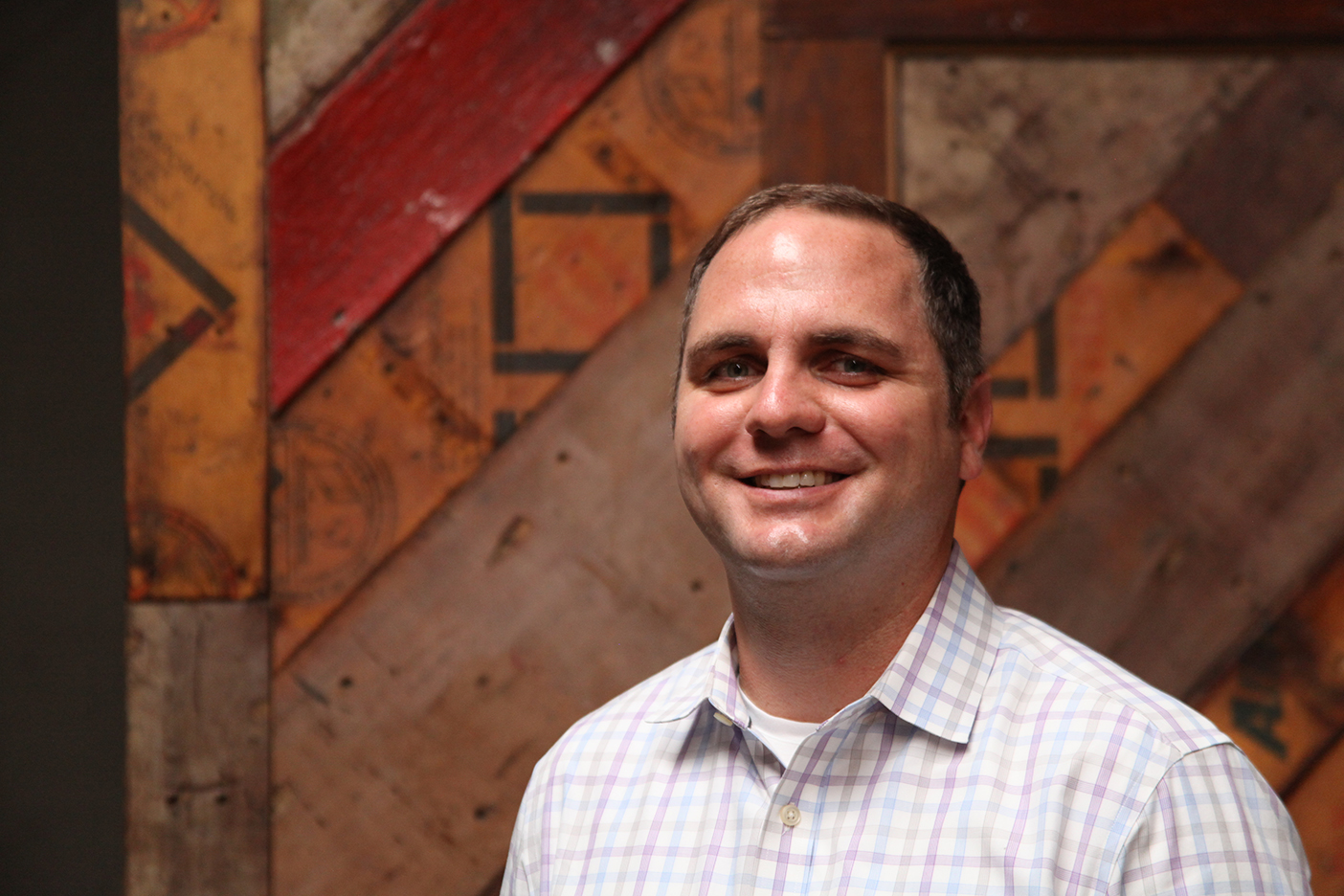 By Tim Conder · 20+ years turning post-sale into revenue
Turn retention and expansion into a pipeline you can forecast.
Sales has a defined process. Marketing has one. Product has one. Then the contract gets signed, and too much of that discipline disappears, replaced by individual effort and instinct dressed up as process. Post-sale is not churn insurance. It is a revenue engine, and it deserves the same operational rigor.
A meeting that feels like a ritual instead of something that moved the customer forward.
Reported on, but built on lagging signals that move only after the problem already happened.
Silence can look a lot like success. Until it isn't.
The frameworks, lifecycle plays, calculators, health scoring, and capacity models are all here to put to work. Four parts take you from why post-sale breaks down to the infrastructure that makes it scale.
Post-sale is still run like churn insurance.
Part I makes the case for treating it as your most under-used source of growth, and lays the foundation the rest of the system builds on.
Read Part I →Sales gets a pipeline. Post-sale gets hope.
Part II gives retention and expansion the same five-stage discipline — Identify, Align, Advocate, Intent, NRR Close — so growth becomes something you can forecast.
Read Part II →A strategy your team can't execute is just a slide.
Part III turns the system into eight structured plays that deliver the right touch at every inflection point — so outcomes stop riding on your best CSM's memory.
Read Part III →The system has to hold when you step away.
Part IV is the infrastructure — data, health scoring, AI, and capacity planning — that keeps it running at scale.
Read Part IV →I work with leadership teams to turn the operating system into a working post-sale operation. That can mean assessment, advisory work, implementation, or a deeper fractional engagement. The goal is the same: leave behind a pipeline, health model, lifecycle plays, and operating discipline your team can run without heroics.
Maturity assessment, health-data audit, churn post-mortems, and customer interviews.
Adapt the pipeline, the handoff, First Value, and the health-score matrix, then take the plays live.
Coach the team, tune the model against real data, and build the capacity and cost plan.
“Tim has created a unique product in the market that delivers practical guidance to improve customer experience, and ultimately bottom-line revenue.”
My background is in engineering, so I kept coming back to the same question: if retention matters this much, why hadn't anyone designed the system that produces it? For eight years I built, tested, and rebuilt it across enterprise, scaleups, and startups. Then I wrote it down, so other operators don't have to piece it together from scratch.
The system for turning post-sale into a revenue engine, start to finish.